 YunLab.ai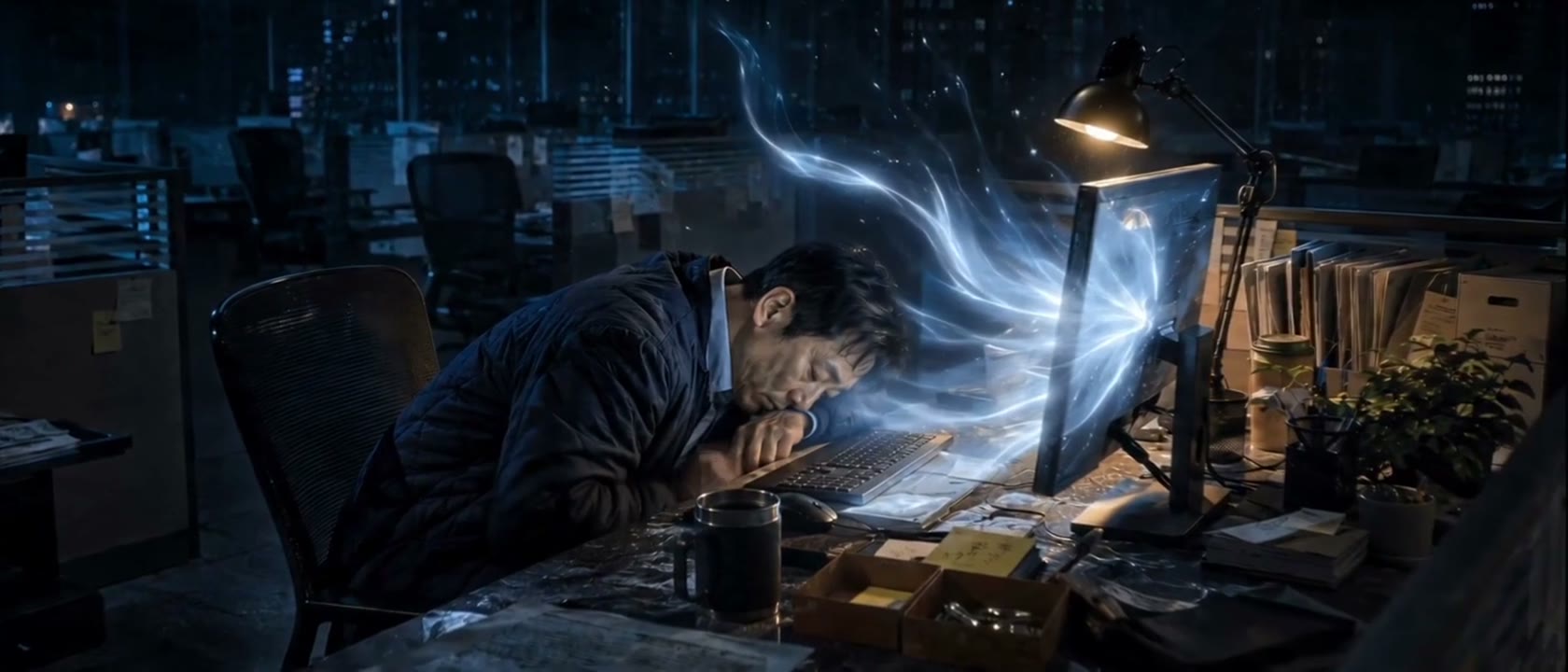
YunLab · My First Video Made with an Agent
I have been building Lin Lu for more than a month, and the goal never changed: I say one sentence, and it makes a short video on its own. Not help me write a script. Not hand me a few clips. I meant script, storyboard, characters, images, voice, music, editing, all the way through, with a finished film waiting for me at the end.
I wrote about this before. Lin Lu spent a month making a 45-second Lin Daiyu Enters the Jia Mansion, survived three complete teardowns, and still did not produce a film I would accept. Later I cut "make a video" into nine nodes. The pipeline got clearer, but the thing still did not work. An AI and I fixing one film together is not the same as Lin Lu knowing how to make films. Those are two different things.
At the time, I blamed the local models first. The model was not strong enough. The machine was slow. The workflow was immature. So I kept swapping models, tuning parameters, and adding nodes. I thought that if I put a stronger engine underneath it, "one sentence in, one film out" would eventually run.
I spent more than RMB 1,000 to finish the road local models could not
Then I happened to need a public-service video. My thinking was simple: if local would not do it, use an API. The cloud models were stronger and the tooling was more complete. Maybe money could buy the last missing mile.
I started using MiniMax Hub and bought a package that cost more than RMB 1,000.
Before production started, I did the pre-production properly. I asked Kimi Deep Research to build the script, characters, locations, camera angles, dialogue, storyboard, and execution plan. Nothing was missing. I genuinely thought that with the front end specified in that much detail, all that remained was execution.
At first, MiniMax Hub did not disappoint me. It could read the material, break down tasks, make images, generate video, and keep everything inside one project. I liked a lot of the early output. Pull any one shot out on its own, and it looked as if the whole path had finally worked.
Version one: the shots worked, the film did not
The moment I saw the first rough cut, I knew it was wrong.
The strange part was that no single shot was especially bad. Quite a few looked good. But the person changed, the props changed, one shot did not lead into the next, and the emotion never landed where I wanted it. Some actions looked impressive, but I could not explain why they belonged in that place.
That is the easiest trap in AI video: every image is easy to praise, every shot looks usable, and together they still do not make a film.
I took the rough cut to ChatGPT and asked it to review the film, find the problems, and rethink the structure. I also had a fairly naive idea: ChatGPT speaks "machine," so if I passed its revision notes to MiniMax Hub, they should be more precise than my own words and save me time.
It only helped me revise faster, and revise more.
The list of notes grew. Each change split into smaller changes. Old and new clips piled up together. I would tell it one thing was wrong, it would redo that piece, and another problem would appear beside it. Eventually I was no longer improving a film. I was searching through versions for where the film had gone.
Then MiniMax Hub froze completely. Not slow rendering. Not a reply that needed another minute. The project would no longer accept revision notes, and I could not do anything inside it. This was on a Mac Studio with an M3 Ultra and 96 GB of unified memory. Activity Monitor showed MiniMax Hub itself using only a little over 3 GB. It still sat there unusable.
I finally moved the project out of MiniMax Hub's project directory. Only then did the app become usable again. That was the end of round one. I started over with a different method.
Version two: I fixed the images first, and the film was still wrong
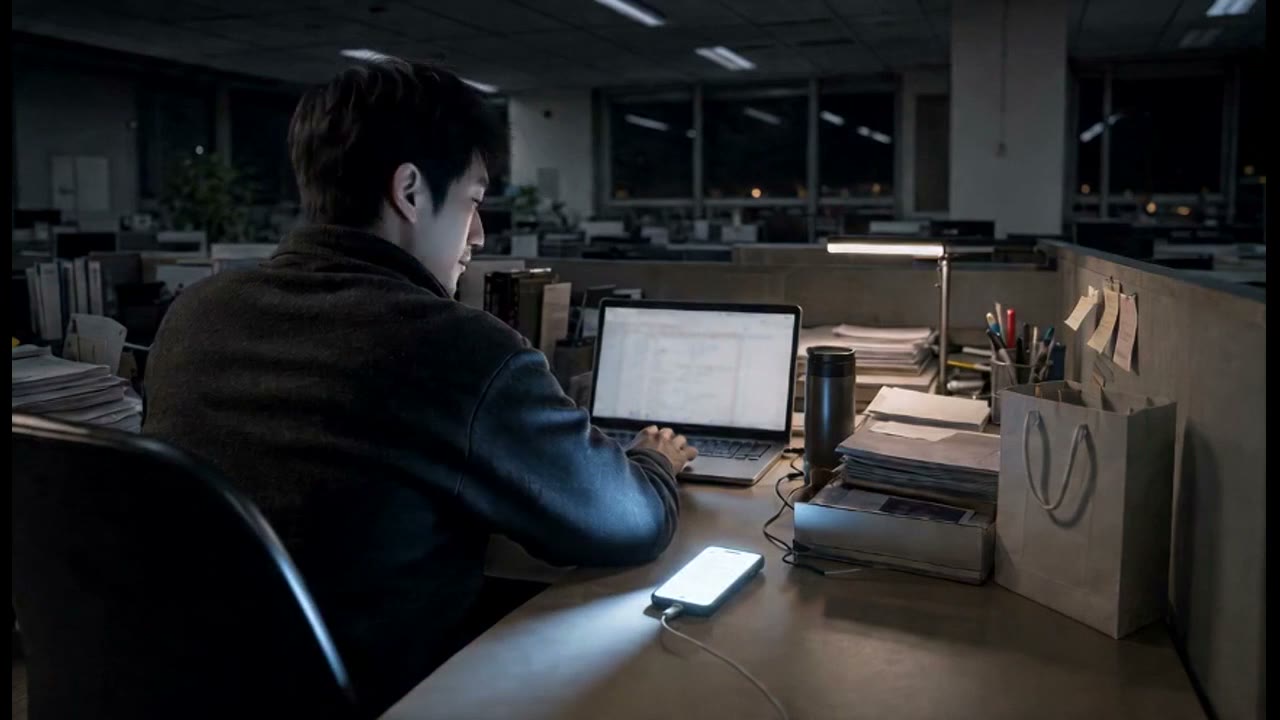
After the freeze, I went back through the first batch of material and realized I had been staring at the wrong layer. The edit had problems, but so did the raw material. The character did not look like the same person. The location changed texture. A prop became something else in the next shot. Keep editing material like that, and no amount of patching at the end will make it coherent.
So I did not rush back into video. I used ChatGPT's image generation to rebuild a batch of character images, locations, and keyframes. I pinned down the people, the places, and the important props first, then gave those images back to MiniMax Hub to generate clips.
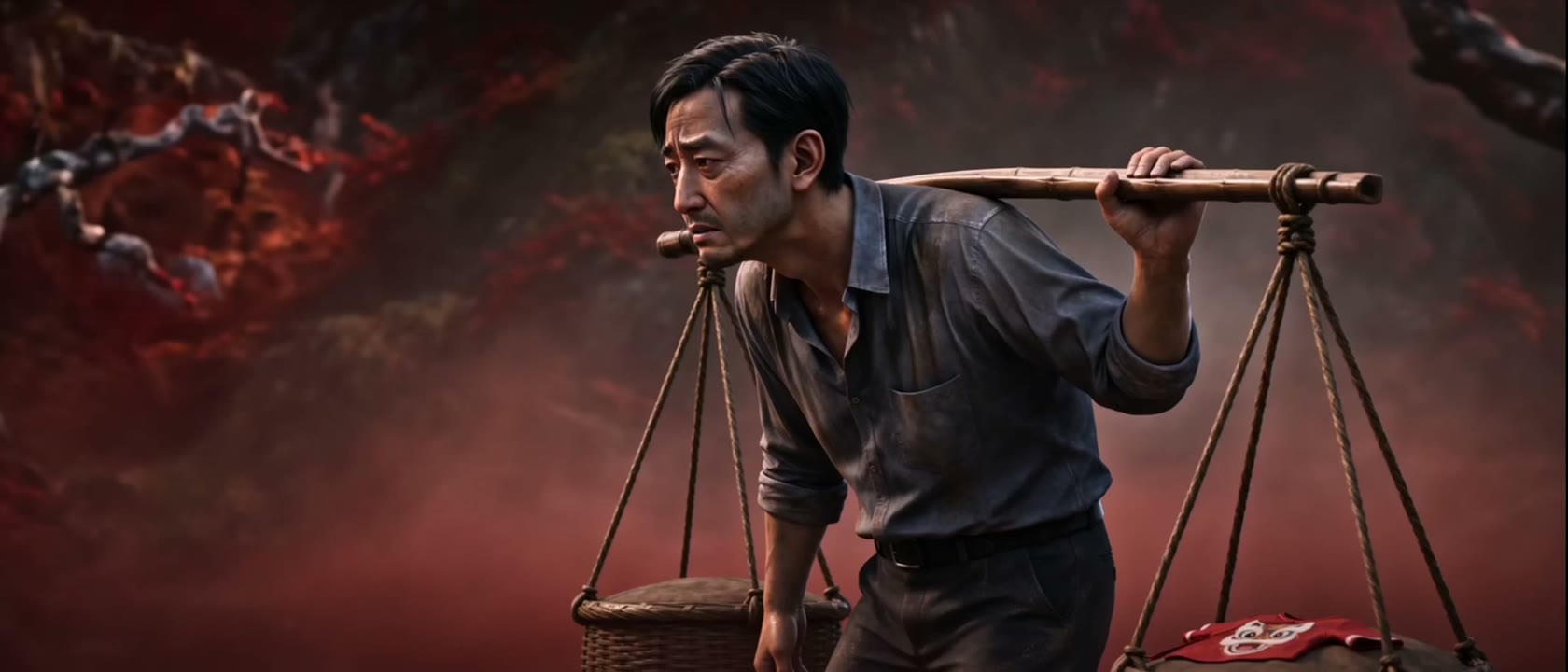
With those images and keyframes, the second rough cut came together quickly. It was still wrong.
I kept changing the character, the shots, the order, and the story. The painful part was that every revision seemed to improve one small area while the whole film moved further away from what I wanted to say. I spent more time, accumulated more clips, and believed in the result less.
Later I asked GPT to untangle the story again. Everything I had spread across the film was reduced to three questions: How long can you keep carrying the load? If you fall, who carries it for you? What do you leave behind: worry, or an arrangement?
This was not another shot revision. The direction changed. I sent MiniMax Hub back to make clips around those three questions.
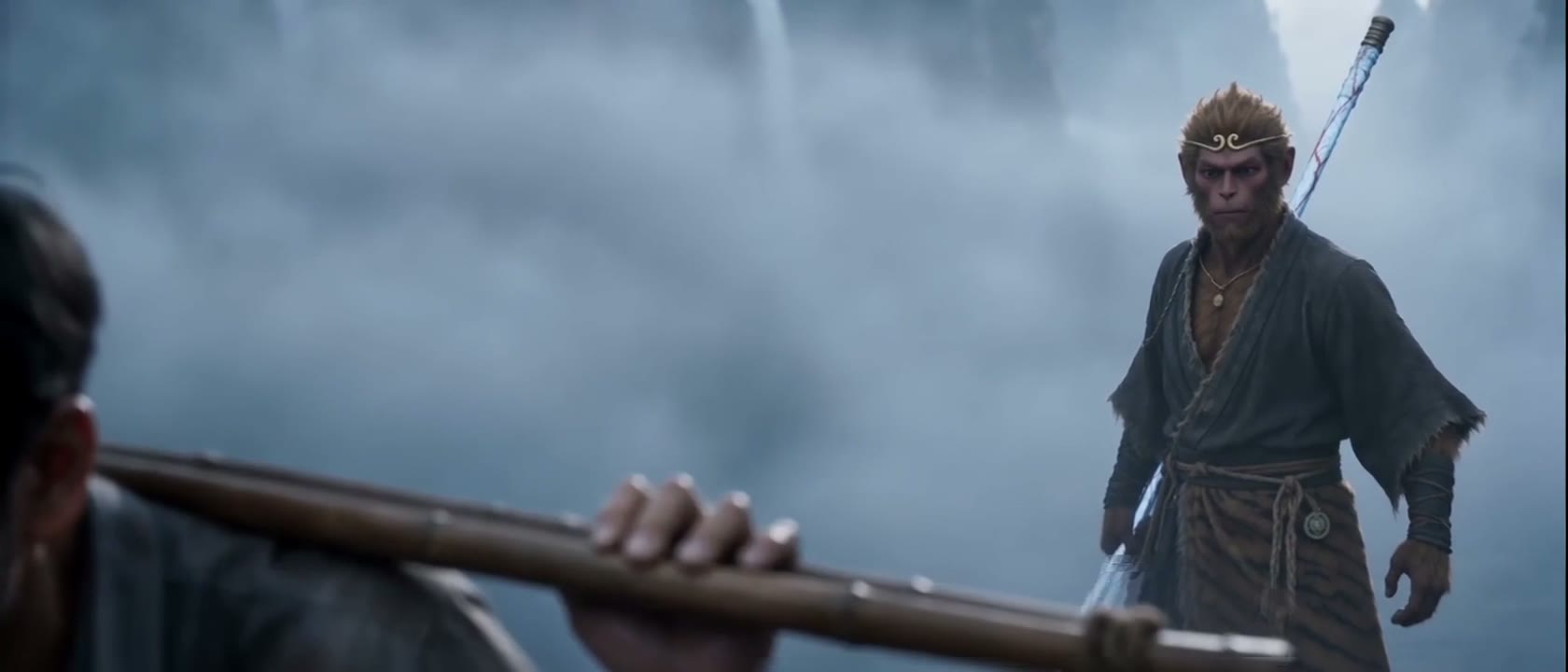
After version three, I stopped asking it for a finished film
When the third rough cut arrived, I finally stopped fighting it on this point.
I was not admitting that the model could not generate. It could. It could read a script, make a good image, and produce strong video clips. But which second stays, which second goes, why the film pauses here, when that sound enters, it could not deliver the film that existed in my head.
So I changed the job: do not give me a finished film. Give me usable clips. I would choose them and assemble them myself in Jianying, the Chinese edition of CapCut.
The final edit, voice, sound effects, music, and rhythm were all finished by me in Jianying, piece by piece. If Jianying's library had the right sound, I used it. If it genuinely did not, only then would I consider asking a model to make one. The final export was 106.6 seconds.
The film still has plenty of problems. The character is not perfectly consistent across shots. Actions and props jump. Some frames look obviously AI-generated. It is not a mature commercial film, and I am only relatively satisfied with it.
But I am keeping it. This was the first time I truly used an Agent for pre-production, images, and video clips, then took over the edit, voice, music, and export myself. An Agent did not make a film for me. An Agent and I made a film together for the first time. That difference matters.
Five things I finally accepted
- Stop imagining that an Agent can own the whole film from start to finish. At least for now, whether local or API, that is not realistic. It can make one segment very well and still not know when the whole film is right.
- I have to be present at the important points. What the story is, whether the character is right, whether a shot stays, whether the emotion has landed: those decisions cannot be outsourced.
- Let the Agent make clips. I will edit. The smaller and clearer the job, the better it works. Ask it for the finished film, and every hidden problem arrives bundled together.
- Use LLMs aggressively in pre-production. Kimi and ChatGPT can research and organize the script, dialogue, shot language, characters, locations, and props. They are very good at spreading a tangled idea out on the table. I still choose the line that survives.
- I still have to make the final edit. An Agent can understand the requirements I manage to write down. It cannot replace the sense of "right" in my head, even when I think I have explained it perfectly.
If I did it again, this is where I would save money
- Get the images right before paying for video. Use the free quota in tools such as ChatGPT or Grok when it is available. Unify the characters, locations, and keyframes first, and there will be far less video rework later.
- Make short silent clips first. Do not start with sound effects and music. Approve the visuals, then use Jianying or another editor to find the sounds. Only generate something separately when the library genuinely has nothing suitable.
- Images and keyframes reduce the lottery. They do not remove it. Every clip still needs a close look at faces, hands, motion, props, and continuity. A clip that looks good alone may still be useless inside the film.
What I originally wanted was simple: I say one sentence, and Lin Lu hands me the finished film. What I want now is different: I say one sentence, it lays the pre-production, images, and usable clips on the table, then stops and waits for my judgment.
The Monkey King Strikes Again has plenty of flaws. I know. It is still worth keeping. It was the first time I did not treat "imperfect" as "unfinished," and the first time I took what an Agent generated into my own hands and cut it into a film.
It did not prove that an Agent already knows how to make videos. It made one thing clear: an Agent can replace a lot of the work in my hands. It cannot replace the sense of "right" in my head.