 YunLab.ai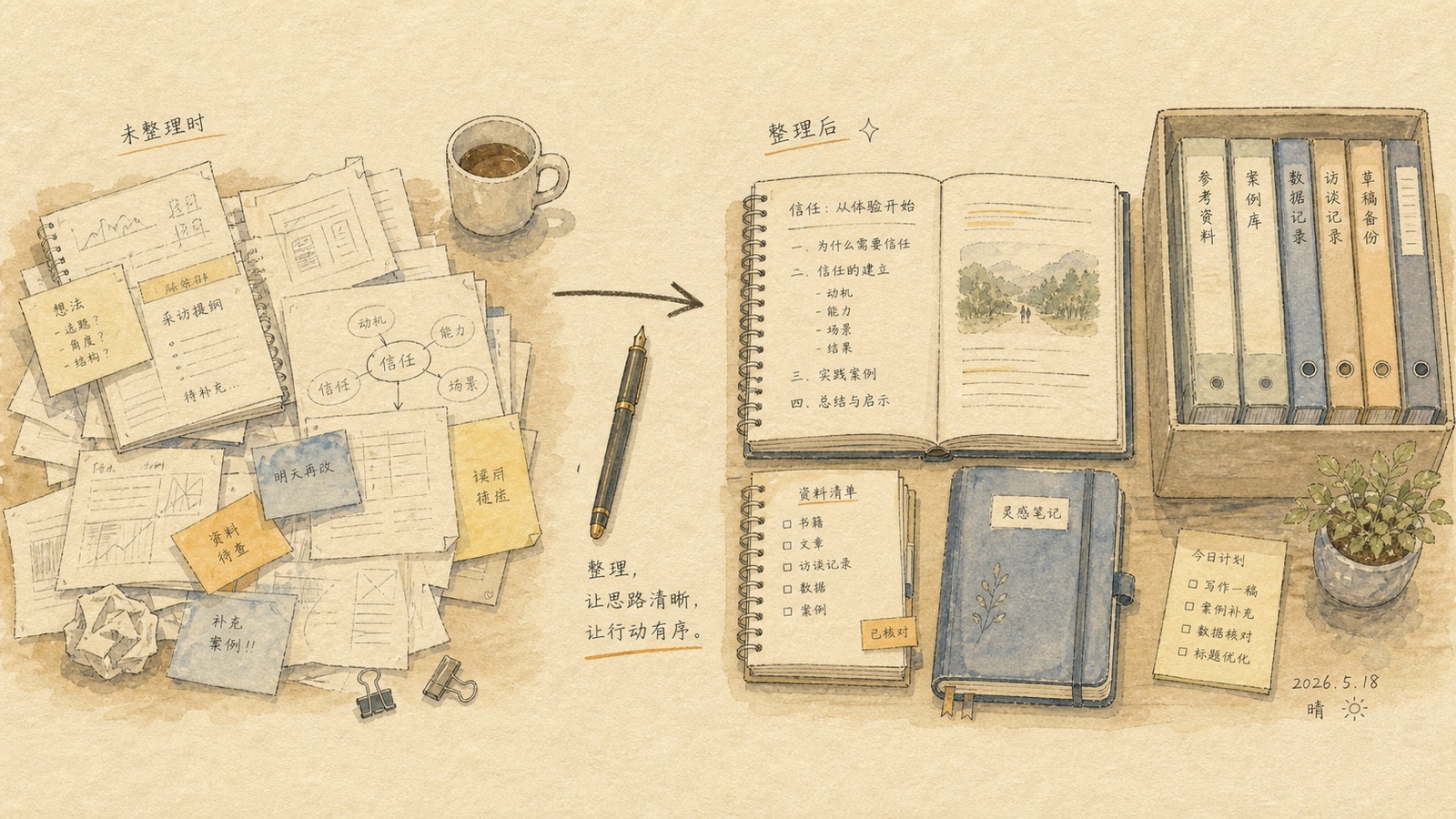
OpenClaw foundation notes
Installed just means you have the keys.
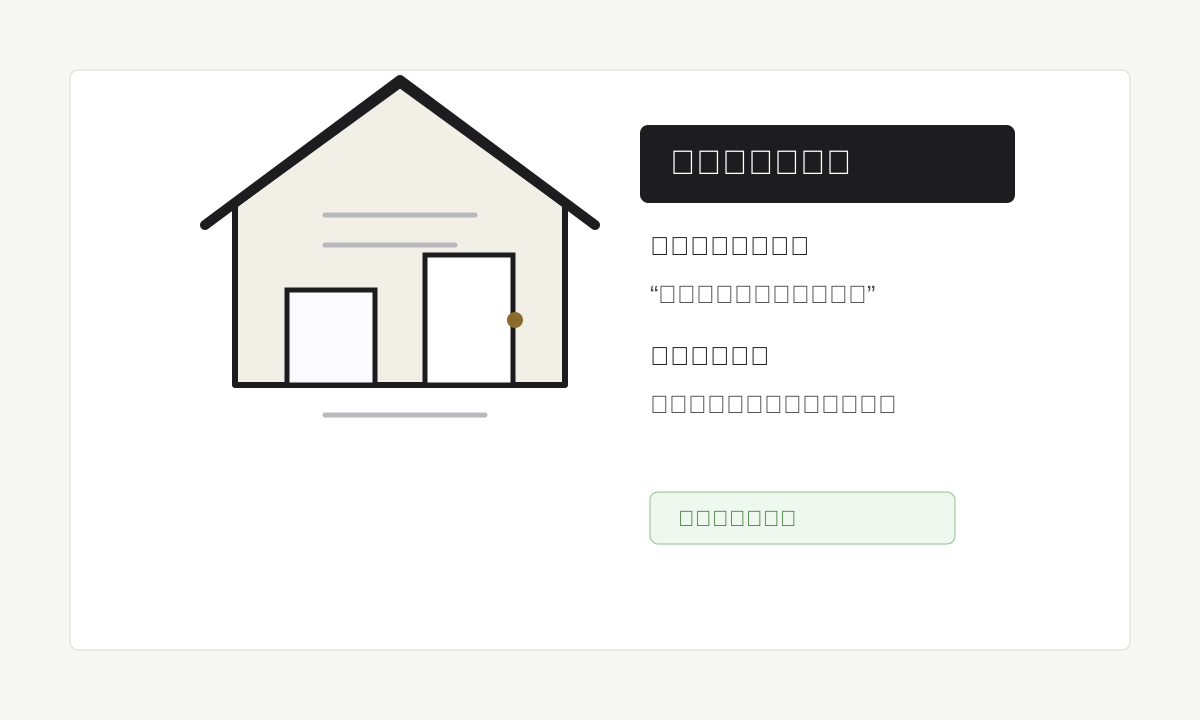
There are already lots of tutorials on how to install it, how to plug in models, how to add skills. What I think no one's spelled out clearly is: stock OpenClaw is more like a bare-shell apartment.
Livable doesn't mean nice to live in; able to chat doesn't mean smooth to work with. Walking in right after a fresh install with "hi, introduce yourself" is a bit like grabbing the keys and going straight in to sleep on the floor.
01 / Usable and smooth
A lot of people aren't bad at using it — the foundation isn't built
People using "the lobster" easily fall into one illusion: it can chat, it can call tools, it can hold a bit of context — so the system is built.
That's "usable," sure. But between "usable" and "I'd hand it the real thing" there's a long stretch. Having to re-explain every time, the style drifting, the boundary not steady — that's not on the model alone.
The way I think about it: model and skills are the furniture; the workspace is the renovation plan.
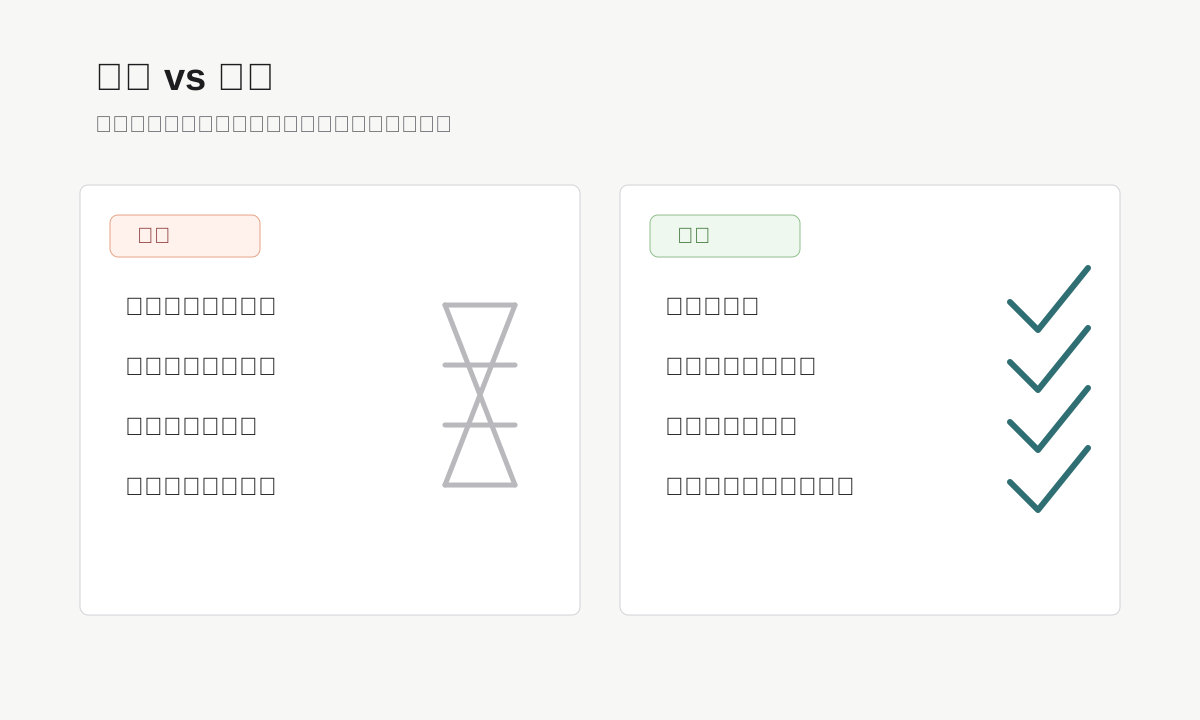
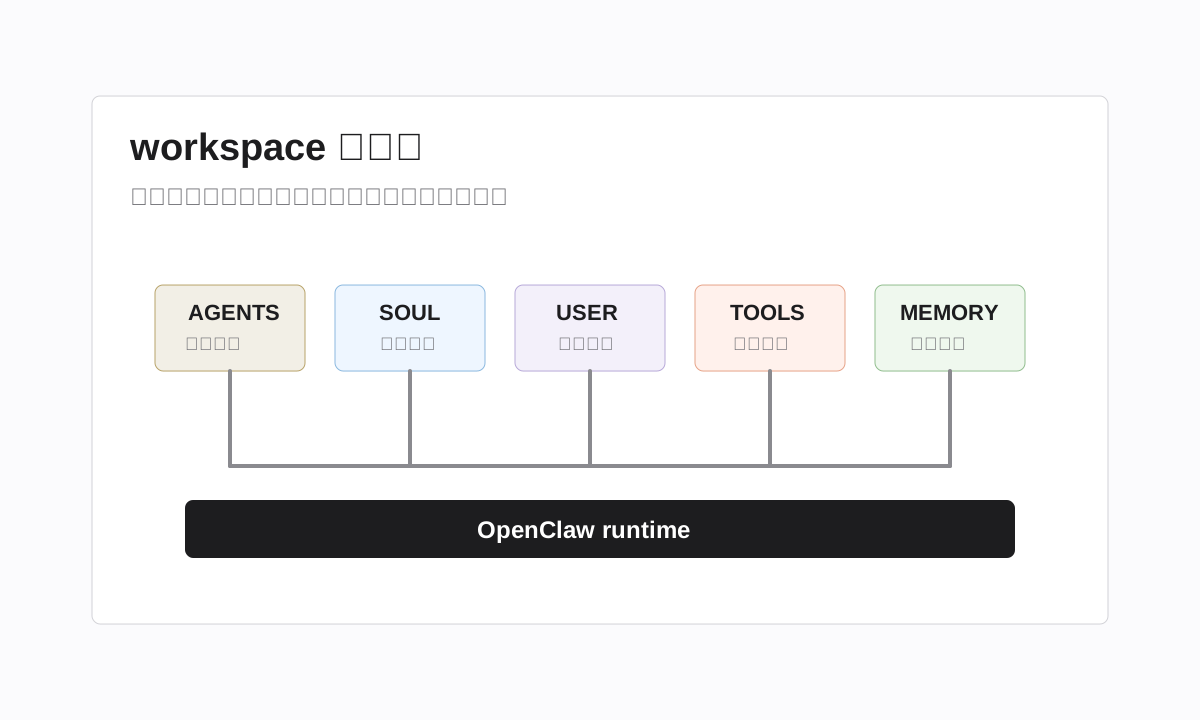
Site rules
What's allowed, what isn't, what has to stop and check with me.
Speaking temperament
How it expresses a judgment, admits uncertainty, flags risk.
Knows who I am
What I care about, what I dislike, what actually counts as done.
Tool brakes
The stronger the tool, the more it needs to know where to let go and where not to touch.
Long-term shelf
Not every chat is worth keeping — what matters is judgment reusable later.
Workshop
Put the recurring flows in here so next time we don't have to improvise.
02 / Brakes first
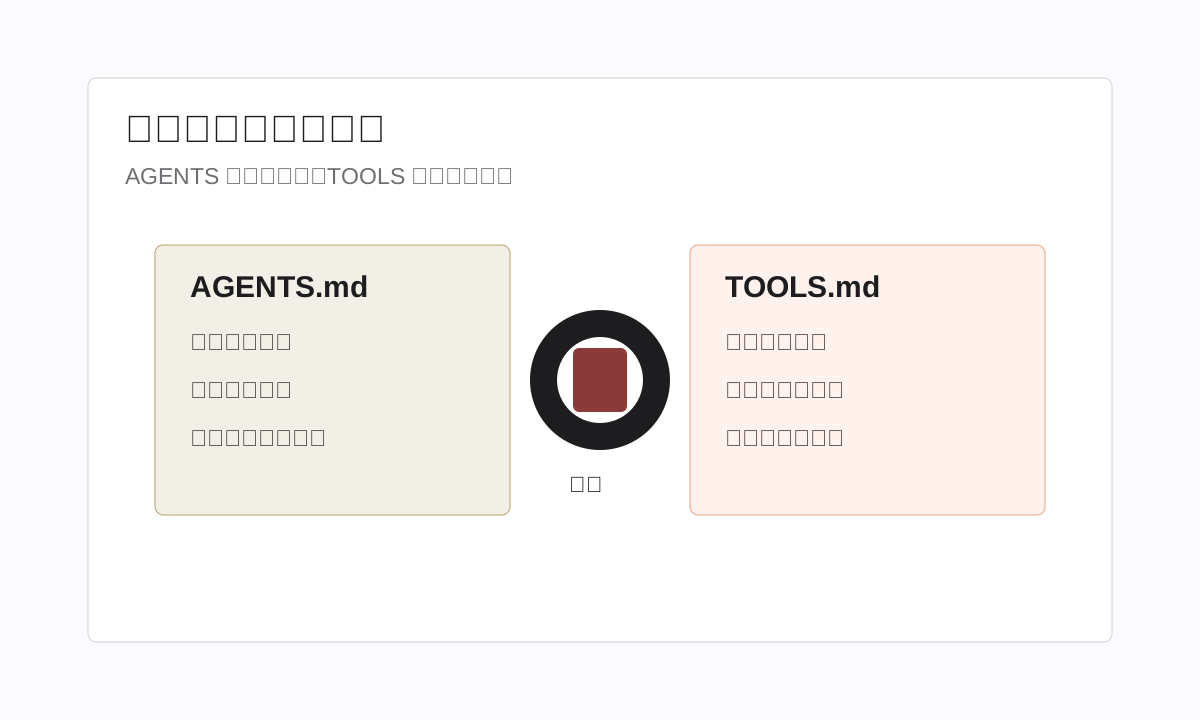
An over-eager agent breaks things too
Ask it to take a look, it goes ahead and edits; ask it to analyze, it starts refactoring. AGENTS and TOOLS have to hold the boundary first.
03 / Memory has to be accurate
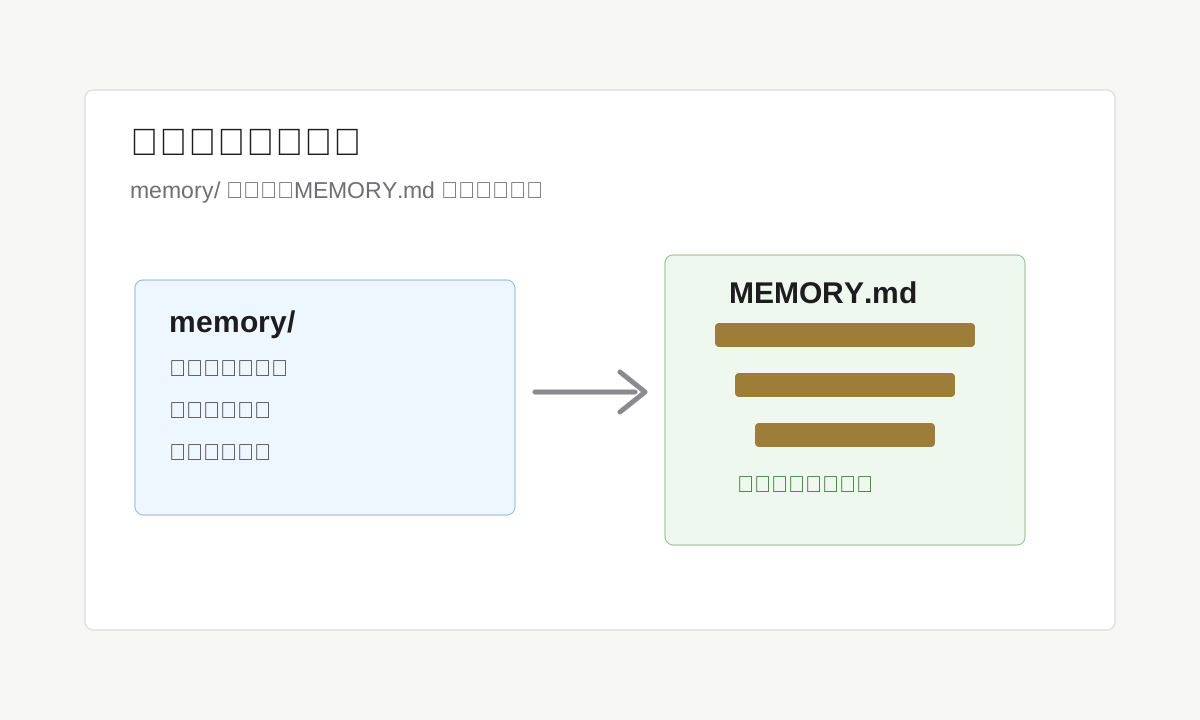
Memory isn't a favorites folder
`memory/` can hold the running log; `MEMORY.md` should hold long-term assets. Save everything and you find nothing.
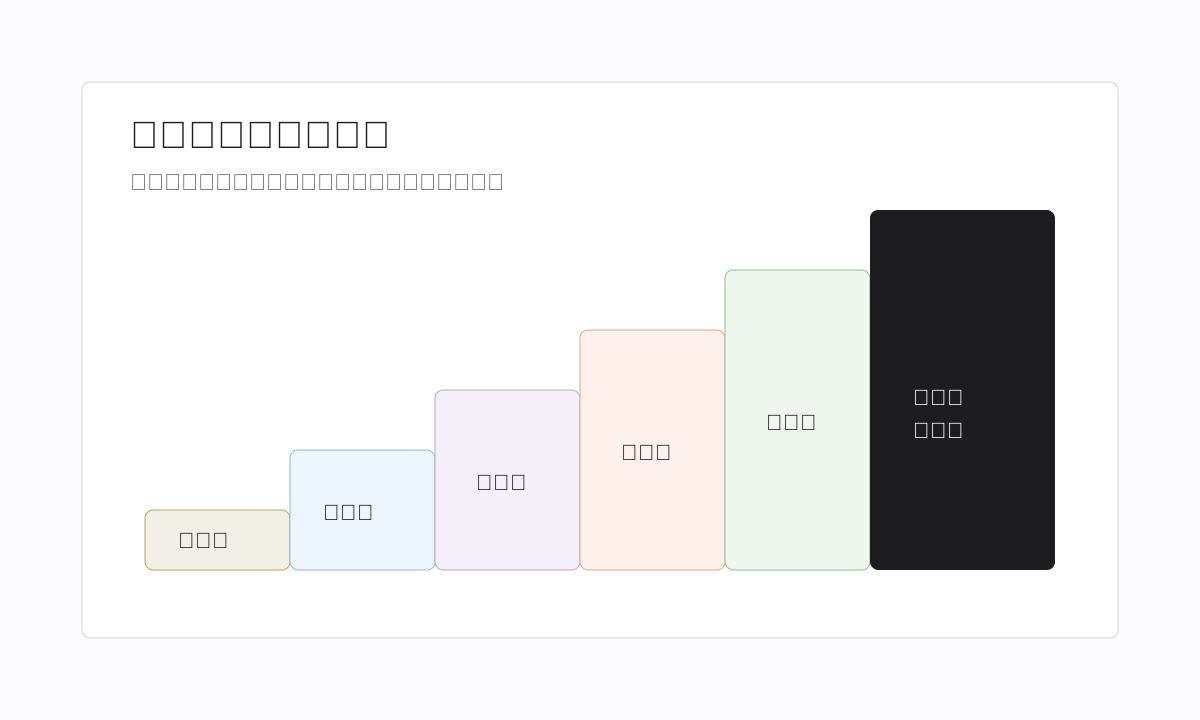
04 / Skills are craft
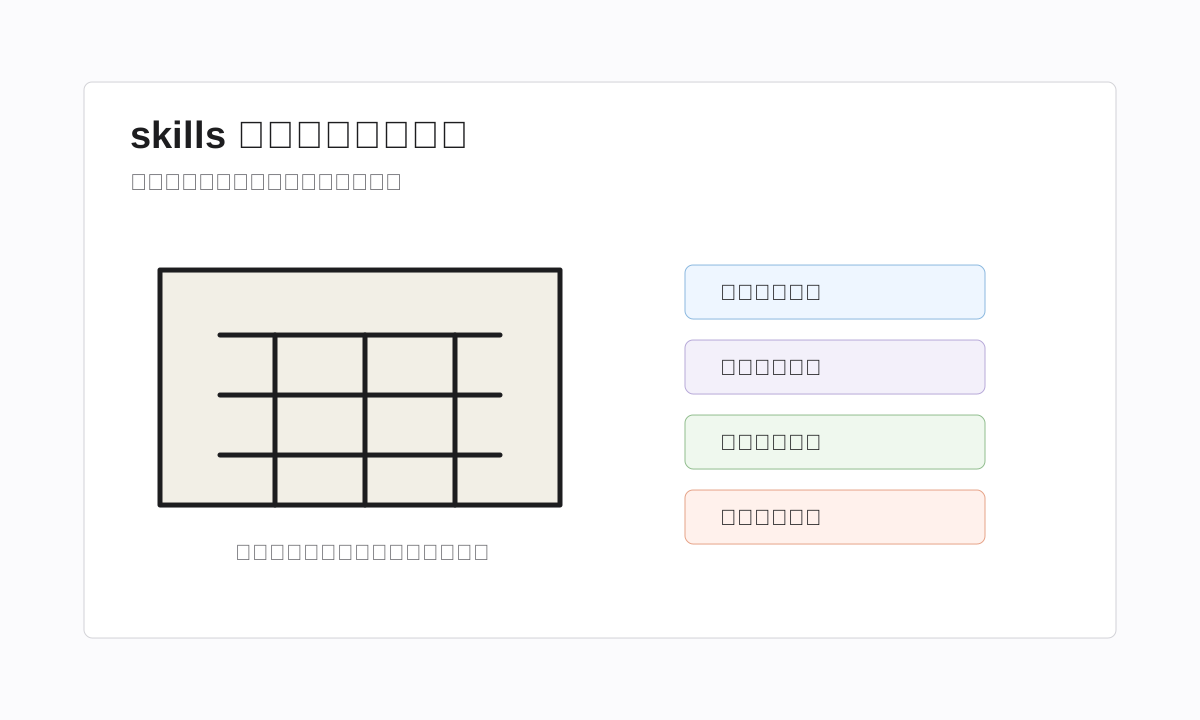
Install less, sharpen more
Writing one article can be done on the fly. After ten, the flow should sediment: audience, angle, structure, draft, check, publish.
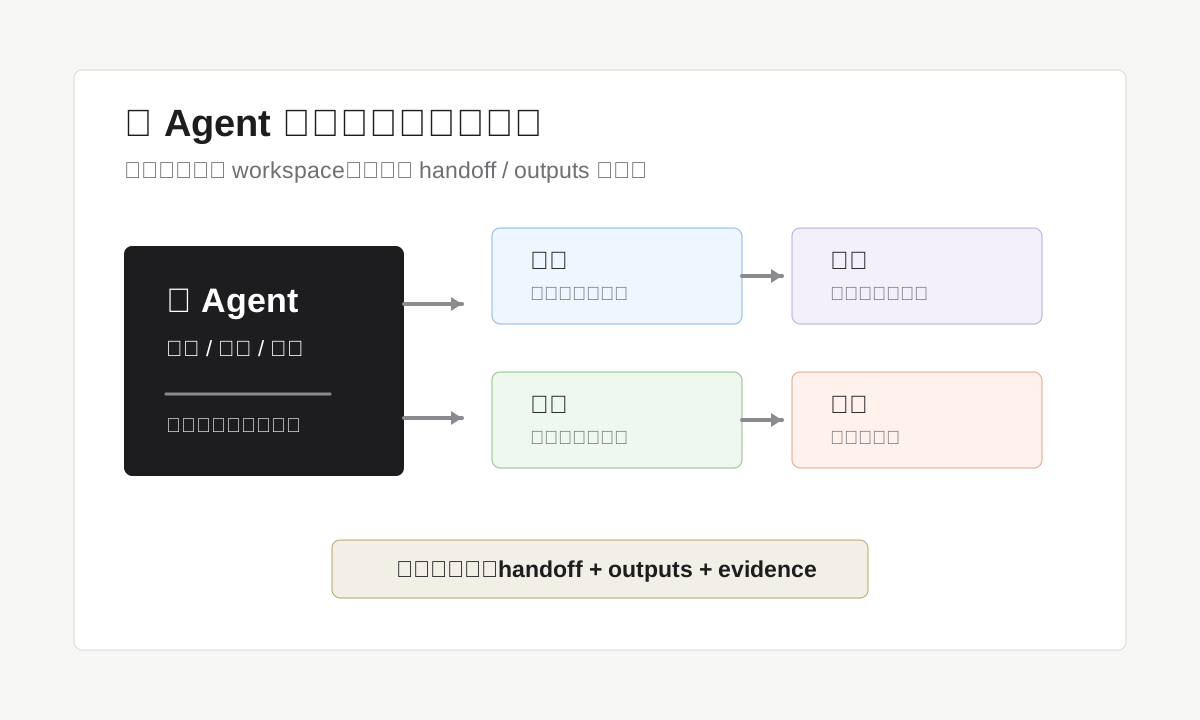
05 / Multi-agent
Not just stocking more lobsters
Multi-agent is more like a small team. Research, writing, execution, audit need their own roles — and they need to actually hand off through handoff files and outputs.
06 / Where I land now
Actually good means continuable
What you did today, tomorrow can still pick up; the judgment from this session, the next session can still find; what one agent finishes, another agent can take over.
Chat is like air — it flows past and it's gone. Files are like the floor — you can put weight on them.